Summer Water Leak Prevention Tips: Where to Place Flood Sensors to Prevent Costly Water Damage
Expert Home Protection Advice from Michael Bloor, Alert 360 Springfield Branch Manager
Water damage is one of the most common and expensive problems homeowners and business owners face. While many people focus on security systems, a small water leak can often cause thousands of dollars in damage before anyone notices.
A smart flood sensor is one of the most affordable home protection devices available and can provide early warning when water is detected where it should not be.
Why Water Damage Risks Increase During Summer
During the summer months, several factors increase the likelihood of hidden water leaks:
- HVAC systems produce heavy condensation as temperatures rise
- Washing machines and appliances see increased use
- Summer storms can overwhelm drains and sump pumps
- Families travel more often, allowing leaks to go unnoticed
- Kids are home more frequently, increasing household water usage
Even a slow leak can lead to damaged flooring, ruined drywall, mold and mildew growth, electrical hazards, expensive water damage repairs, insurance claims, and business interruptions.
Best Places to Install Flood Sensors
For maximum protection, place flood sensors in areas where leaks commonly occur but often go unnoticed.
1. Behind the Water Heater
Water heaters are a leading source of residential water damage. A small leak can quickly spread across flooring and walls.
2. Near the HVAC Unit or Condensate Drain
Air conditioning systems generate significant condensation during summer. A clogged condensate line can cause water to back up and overflow.
3. Under Kitchen and Bathroom Sinks
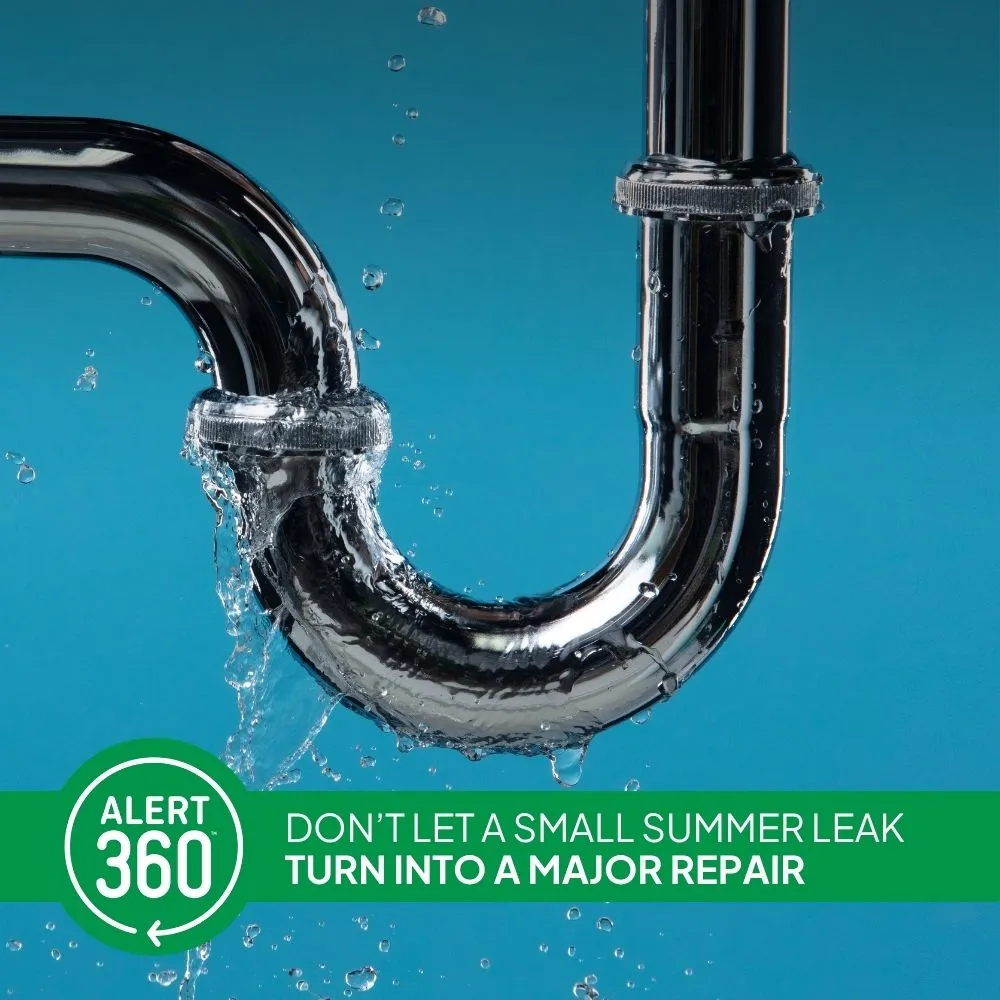
Loose fittings, worn seals, and damaged plumbing connections can create slow leaks that remain hidden for weeks.
4. Near Washing Machines
Supply lines and drain hoses can fail unexpectedly, causing substantial water damage in a short period.
5. Around Sump Pumps
Heavy rainfall can overwhelm sump systems, making early detection critical.
6. Near Refrigerators with Water Lines
Ice makers and water dispensers are common sources of slow leaks that damage flooring and cabinetry.
Benefits of Smart Flood Detection
- Detects water immediately
- Sends instant alerts to your smartphone
- Helps prevent major property damage
- Reduces repair costs
- Provides peace of mind while traveling
- Helps protect homes and businesses 24/7
Frequently Asked Questions About Flood Sensors
Are flood sensors worth the investment?
Yes. Flood sensors are inexpensive compared to the thousands of dollars water damage can cost in repairs, restoration, and mold remediation.
Where should I place a flood sensor first?
Start with your water heater, HVAC condensate drain, and under sinks, as these are among the most common sources of hidden leaks.
Do flood sensors work when I am away from home?
Yes. Smart flood sensors can send real-time notifications to your phone, allowing you to respond quickly even when you are traveling.
Can flood sensors prevent water damage?
While they do not stop leaks, they provide early detection, which can dramatically reduce the severity and cost of water damage.
Are flood sensors good for businesses?
Yes. Restaurants, offices, retail stores, and warehouses can all benefit from early leak detection to protect inventory, equipment, and operations.
The Bottom Line
A burglary alarm protects your property from intruders. A smart flood sensor helps protect it from one of the most common and costly threats homeowners and businesses face: water damage. Early detection can mean the difference between a minor cleanup and a major repair project.